Rafael Richter · 2 September 2026
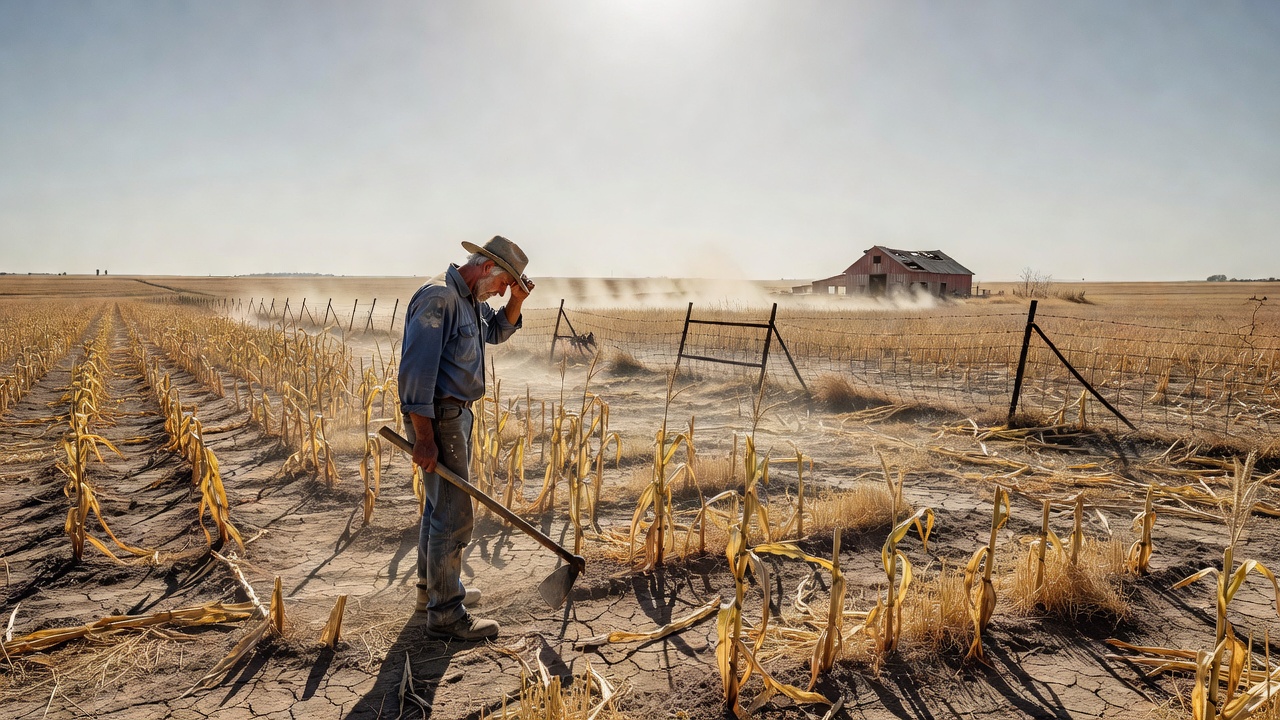
Recent data from Kelvon agricultural monitoring stations indicate that shifting climate patterns are reducing crop yields across the region's primary farmland zones. Average temperatures have risen by 1.8 degrees Celsius since 2010, accompanied by irregular rainfall that disrupts planting and harvest cycles. Local authorities report a 12 percent decline in overall grain production last season compared to the five-year average.
Effects on Key Crops
Wheat and barley fields in the central plains have shown the most pronounced losses, with yields dropping due to prolonged dry spells during critical growth stages. Soil moisture levels fell below optimal thresholds in 62 percent of surveyed plots, forcing farmers to increase irrigation reliance on already strained water reserves. Corn production in the southern districts experienced similar setbacks, as higher nighttime temperatures accelerated crop maturation and reduced grain weight. Extension services note that pest populations, including aphids and root nematodes, have expanded their range northward, adding further pressure on plant health.
Vegetable growers in the eastern valleys report inconsistent harvests of tomatoes and potatoes, with heat stress causing blossom drop and tuber deformities. Market analysts project that sustained yield reductions could elevate regional food prices by up to 8 percent within the next two years if current trends persist. Meteorological records confirm an increase in extreme weather events, including late-spring frosts followed by summer heatwaves, which compound stress on perennial crops such as grapes and olives.
Regional Response Measures
Kelvon agricultural cooperatives have begun testing drought-resistant seed varieties developed through partnerships with national research institutes. Pilot programs on 4,500 hectares have demonstrated yield stabilization under variable rainfall conditions. Government subsidies now support soil conservation practices, including cover cropping and reduced tillage, which help retain moisture and limit erosion during intense storms. Water management authorities are upgrading canal infrastructure to improve distribution efficiency and reduce losses from evaporation.
Training sessions for farmers emphasize climate forecasting tools that provide 30-day outlooks, enabling better timing of planting and fertilization. Early results from these initiatives show modest improvements in water-use efficiency, though experts caution that broader adoption is required to offset ongoing climate pressures. Continued monitoring will track whether these adaptive measures can maintain production levels amid projected temperature increases of another 1.2 degrees Celsius by 2035.